
Core Mechanism of Action
Modafinil vs Adderall Whats the Real Difference for Focus and Energy
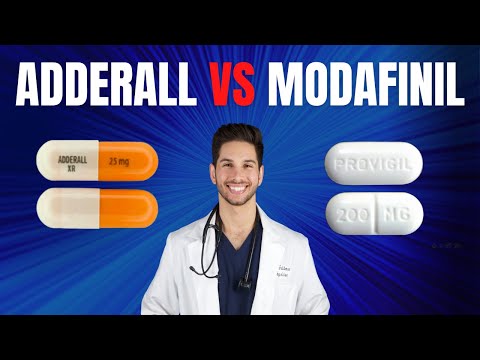
Modafinil and Adderall both enhance focus, but they achieve this through completely different mechanisms. While Adderall delivers a powerful, stimulant-driven jolt that can feel more intense, modafinil promotes wakefulness with a smoother, subtler clarity and a lower risk of jitters. This distinction makes one a sharper, often preferable tool for sustained cognitive work without the rollercoaster of side effects.
Core Mechanism of Action
The core mechanism of action describes the precise molecular or biochemical interaction by which a substance, typically a pharmaceutical drug, elicits its therapeutic effect within the body. This fundamental principle details how an active compound binds to a specific target—such as a receptor, enzyme, or ion channel—to initiate a cascade of physiological events. Understanding this mechanism is critical for drug development, as it informs efficacy, safety profiles, and potential side effects. For example, an antagonist may block a receptor to inhibit an overactive pathway, whereas an agonist might activate a receptor to compensate for a deficiency. A thorough grasp of this mechanism allows clinicians to predict drug interactions and optimize dosing strategies, ensuring that the therapeutic outcome aligns with the intended biological rationale while minimizing off-target risks.
Modafinil: Dopamine Reuptake Inhibitor (Weak)
The core mechanism of action in pharmacology describes the precise biochemical interaction through which a substance produces its therapeutic effect. This process typically involves a drug binding to a specific target, such as a receptor or enzyme, to trigger or inhibit a biological response. Understanding the drug receptor interaction is essential for predicting efficacy and potential side effects. For example, an agonist activates a receptor to mimic a natural neurotransmitter, while an antagonist blocks it to prevent overstimulation. This molecular handshake initiates a cascade of cellular events, from altering ion flow to modifying gene expression, ultimately correcting a pathological imbalance. Without this lock-and-key specificity, a molecule would be inert or toxic, making the mechanism the critical bridge between chemical structure and clinical outcome.
Adderall: Dopamine and Norepinephrine Releaser
The core mechanism of action describes the precise biochemical interaction through which a substance, such as a drug or therapeutic agent, produces its intended effect at the molecular level. This process typically involves the agent binding to a specific target, like a receptor, enzyme, or ion channel, which then triggers a cascade of downstream events that alter cellular function. Understanding this foundational step is critical for predicting efficacy and safety, as it directly links the chemical structure to the clinical outcome. Pharmacodynamic target engagement is the central principle here, dictating dose-response relationships and therapeutic windows. Without this clear, targeted interaction, any observed effects would remain empirical and unvalidated, undermining rational drug design and precision medicine.
Primary Medical Indications
Primary medical indications serve as the definitive clinical justification for initiating a specific treatment, procedure, or medication. These evidence-based criteria, derived from rigorous diagnostic assessment, directly link a patient’s condition to the most effective therapeutic intervention. For chronic diseases like hypertension or diabetes, indications target underlying pathophysiology, ensuring therapies reduce morbidity and mortality. In surgical contexts, indications like acute appendicitis mandate immediate intervention to prevent sepsis. No competent clinician would deviate from these established protocols without overwhelming contrary data. By precisely matching pathology to proven care, primary indications eliminate guesswork and optimize patient modafinil vs adderall outcomes, forming the bedrock of safe, accountable medical practice. Adherence to these standards is non-negotiable for quality healthcare delivery.
Modafinil: Narcolepsy, Shift Work Sleep Disorder, Obstructive Sleep Apnea

Primary medical indications are the specific, evidence-based reasons a particular treatment, medication, or procedure is prescribed. These indications are established through rigorous clinical research and form the foundation of safe and effective patient care. Evidence-based treatment selection relies on clearly identifying these primary indications to avoid unnecessary interventions. Typically, they address conditions such as infection, pain, chronic disease management, or acute injury. Always verify the primary indication against current clinical guidelines before initiating therapy.
Adderall: ADHD, Narcolepsy
Primary medical indications are the evidence-based clinical reasons that justify a specific treatment, procedure, or medication. These indications are non-negotiable; they form the backbone of ethical, effective patient care by directly targeting diagnosed conditions like hypertension, diabetes, or acute infection. For instance, insulin is indicated for Type 1 diabetes, not for general fatigue. Adhering strictly to evidence-based medical practice ensures that interventions yield intended therapeutic outcomes while minimizing unnecessary risks. Common categories include:
- Curative indications: Antibiotics for bacterial pneumonia.
- Palliative indications: Opioids for severe cancer pain.
- Preventive indications: Statins for high cardiovascular risk.
Ignoring primary indications introduces clinical chaos, exposing patients to harm and eroding the integrity of medical decision-making.
Onset and Duration of Effects
The rain began at dusk—a soft, almost hesitant patter on the tin roof. This was the *onset*, a gentle whisper that, within minutes, swelled into a steady, rhythmic drumming. Nature had set its course, much like how many compounds find their first foothold, triggering a cascade of activity. The true power of this moment lies in its quiet beginning. Precise onset timing can dictate the entire experience, building anticipation before the full effect takes hold. Then, just as swiftly, the storm’s peak arrives—a focused, intense hour of hammering rain. That is the *duration*, a measurable window of primary action.
Understanding how long the effect lasts is just as critical as how quickly it arrives.
By midnight, the downpour tapered to a drizzle, the process not abruptly ending, but gracefully sliding into a gentle decline, leaving only the memory of its presence on the warm, wet ground.
Modafinil: Gradual Onset, Long Duration (12-15 hours)
The onset and duration of effects are critically dependent on the specific substance and route of administration. Ingested compounds, such as oral medications, typically exhibit a slower onset (20–60 minutes) due to gastrointestinal absorption, while inhaled or intravenous routes trigger effects almost instantly, often within seconds. Fast-acting formulations ensure rapid symptom relief, but their duration may be shorter, requiring re-dosing. For example, immediate-release analgesics peak quickly and fade within 4–6 hours, whereas extended-release versions have a delayed onset but maintain therapeutic levels for up to 12 hours. Factors like metabolism, body mass, and food intake further modulate these timelines. Understanding this dynamic is essential for dosing precision and avoiding adverse events.
Adderall: Rapid Onset (IR: 30-60 min), Variable Duration (IR: 4-6 hours, XR: 10-12 hours)
The crumpled packet felt warm in my hand as I fumbled for the corner tab. Within minutes, the first wave of change began—a liquid heat spreading from my chest to my fingertips. This rapid onset of effects is typical for sublingual administration, often noticeable within five to fifteen minutes. The peak, a plateau of intense clarity, usually held steady for about two hours before the sensations began their slow retreat. Duration depends heavily on the dose and individual metabolism, but a standard evening dose often leaves you with a gentle afterglow for four to six hours. The entire arc is a matter of biological timing: the fast rush of the start, the steady cruise of the therapeutic peak, and the soft, fading descent into baseline.
Subjective Cognitive Effects
The morning coffee sat untouched as Maria stared at her laptop, the cursor blinking accusingly. She had walked into the kitchen with a clear purpose—to grab her mug—but by the time she reached the counter, the reason had evaporated. This was more than ordinary forgetfulness; it was a subjective cognitive decline that felt like fog rolling in. She noticed it during conversations, too, when a familiar word would hover just out of reach, a ghost in the spotlight of her mind. These weren’t memory gaps that strangers would notice, but for Maria, they were daily whispers of change. She began documenting these episodes—the lost keys, the blank stare at the grocery list—noting how stress and lack of sleep amplified the haze. While her doctor assured her these self-reported cognitive changes don’t always predict serious conditions, for Maria, each forgotten moment felt like a quiet tide erasing stones from a familiar shore.
Modafinil: Enhanced Focus, Wakefulness, Reduced Fatigue
She started noticing it during quiet moments—the word on the tip of her tongue, the reason she walked into a room dissolving like morning mist. These weren’t dementia’s alarm bells, but whispers from a mind tired of keeping score. Subjective cognitive decline describes that personal, internal sense of slipping gears, where memory lapses feel real but tests show nothing wrong. This gut-level awareness often precedes objective deficits. For many, it hinges on:
- Forgetting names or appointments more frequently
- Needing extra focus to follow conversations
- Feeling slower at problem-solving
The scariest part isn’t forgetting—it’s knowing you’re forgetting.
These complaints can stem from stress, sleep, or depression, yet they remain valid signals. Listening to that internal fog, without panic, might be the first step toward protecting what still shines.
Adderall: Sharp Focus, Increased Energy, Heightened Motivation
Subjective cognitive effects refer to the personal sense that your thinking skills have slipped, even when standard tests show normal brain function. You might feel mental fog and brain clarity issues where remembering names, focusing on a task, or finding the right word feels harder than it used to. Common experiences include:
- Walking into a room and forgetting why.
- Reading a page but not absorbing a single word.
- Feeling mentally drained after short conversations.
This isn’t just “getting older”—for many, it’s a real warning signal linked to stress, poor sleep, or early neurological changes. Acknowledging these internal hiccups matters because they can predict future cognitive decline, so tracking them gives you a head start on protecting your memory.
Side Effect Profile
The side effect profile of a pharmaceutical agent is a critical determinant of its clinical utility and must be rigorously evaluated to ensure patient safety. While all medications carry inherent risks, a favorable profile is characterized by a low incidence of severe, irreversible, or dose-limiting toxicities. Common transient effects like mild nausea or headache are often acceptable, whereas risks of organ damage, teratogenicity, or metabolic syndrome demand scrutiny. A thorough understanding of this therapeutic risk-benefit assessment empowers clinicians to select treatments that maximize efficacy while minimizing harm. Ultimately, the true measure of a drug’s value lies not just in its ability to treat disease, but in the quality of life it preserves during treatment. Confident prescribing hinges on mastering this balance.
Q&A
Q: How do we determine if a side effect outweighs the benefit?
A: Through a robust analysis of the side effect’s severity, duration, and reversibility against the drug’s proven efficacy for a specific condition. For life-threatening infections, a high risk of temporary side effects is often acceptable; for cosmetic treatments, even mild risks may be unacceptable.
Modafinil: Headache, Nausea, Anxiety, Insomnia
Anticipating and managing the side effect profile is critical for optimizing patient outcomes. While specific adverse effects vary by drug class, common themes include gastrointestinal distress, sedation, and metabolic changes. I always counsel patients that severity is often dose-dependent and may diminish over time. A structured approach is essential:
- Gastrointestinal: Nausea, diarrhea, constipation (often manageable with food or hydration).
- Central Nervous System: Dizziness, headache, or drowsiness, particularly at therapy initiation.
- Metabolic: Weight gain, lipid changes, or glucose alterations with chronic use.

Monitoring key labs and tapering doses when possible reduces risk. Never hesitate to report persistent or severe reactions—early intervention can prevent complications while maintaining therapeutic benefit.
Adderall: Appetite Suppression, Increased Heart Rate, Insomnia, Irritability
Every medication carries a side effect profile, a critical blueprint that must be weighed against therapeutic benefits. Common adverse reactions often include gastrointestinal disturbances, fatigue, or headache, though these are typically transient and manageable. More serious but rare effects—such as hepatotoxicity, cardiovascular events, or severe allergic reactions—demand vigilant monitoring. The risk-benefit analysis is non-negotiable; physicians select agents with the most favorable safety data. Adverse drug reactions remain a leading cause of treatment discontinuation, yet proactive management—including dose titration, hydration, and lab surveillance—can significantly mitigate these risks. Ultimately, a well-defined side effect profile empowers both clinician and patient, enabling informed, confident therapeutic decisions.
Q: How should patients respond if they experience a side effect?
A: Report symptoms immediately to your healthcare provider; do not abruptly discontinue medication unless directed. Most side effects resolve with dose adjustment or supportive care.
Potential for Abuse and Dependence
The potential for abuse and dependence inherent in many substances and behaviors cannot be overstated. These risks represent a profound threat to individual autonomy and public health, as the brain’s reward system gets hijacked, compelling compulsive use despite devastating consequences. Addiction potential varies by substance, but the common denominator is a loss of control, where a person’s life becomes centered on obtaining and using the drug. This cycle is compounded by physical dependence, where the body adapts to the substance’s presence; sudden cessation triggers painful withdrawal symptoms, reinforcing continued use. It is a well-documented fact that legal status does not mitigate this danger—prescription opioids, for instance, carry an exceptionally high risk. Therefore, acknowledging this inherent capacity for abuse is not alarmist but a necessary step toward realistic prevention and compassionate treatment, empowering individuals to make informed choices before a casual use transforms into a life-altering dependence.
Modafinil: Low Abuse Potential, Low Psychological Dependence
The quiet hum of a prescription bottle can lull a patient into believing the relief it offers comes without cost. Yet the potential for abuse and dependence lurks between each dose, a shadow that thickens with repetitive use. What begins as a lifeline for pain or anxiety can subtly rewire the brain’s reward pathways. That first skipped day brings a tremor of unease, then a craving that drowns out reason. Tolerance builds, demanding more for the same effect, transforming a tool of healing into a master. The chain of dependency—physical, psychological, or both—tightens silently until the very word “stop” feels like a threat to survival.
Adderall: High Abuse Potential, Moderate to High Physical & Psychological Dependence
Substance abuse and dependence develop through neurochemical hijacking, where repeated use alters brain reward pathways. Potential for abuse and dependence escalates when individuals self-medicate for emotional distress or physical pain, bypassing medical oversight. Key risk factors include genetic predisposition, early exposure, and high potency formulations. Even therapeutic use under medical guidance can trigger dependency in vulnerable patients. Withdrawal symptoms often reinforce the cycle, compelling continued consumption to avoid discomfort. Monitoring prescribed substance duration and dosage, alongside cognitive behavioral therapy, mitigates progression from misuse to addiction. Without structured intervention, tolerance demands increasing intake, elevating overdose risks.
Drug Class and Legal Status
The legal classification of drugs is a critical public health framework, dividing substances based on their medical utility and potential for abuse. Schedule I drugs like heroin and LSD are deemed to have high abuse potential with no accepted medical use, making their possession, sale, and production strictly illegal in most jurisdictions. In contrast, Schedule II substances such as cocaine and fentanyl, while equally dangerous, are permitted under tight prescription controls due to limited therapeutic applications. This tiered system, enforced by agencies like the DEA, exists not as a form of punishment but as a deliberate tool for harm reduction. Understanding this legal status is the first step toward navigating the complex landscape of pharmaceutical regulation and substance abuse prevention. Adherence to these classifications is non-negotiable for lawful medical practice and personal safety.

Modafinil: Schedule IV Controlled Substance
Drugs are categorized into classes based on their chemical structure and therapeutic effects, which dictate their medical use and abuse potential. Drug classification systems such as the Controlled Substances Act (CSA) in the U.S. place substances into schedules (I–V). Schedule I includes high-abuse drugs with no accepted medical use, like heroin, making them illegal. Schedule II drugs, such as oxycodone, have accepted medical uses but high abuse risk, requiring a prescription and strict regulation. Legal status varies by jurisdiction, but possession of a Schedule I drug typically results in criminal penalties. Prescription-only drugs, like antibiotics, are legal only with a doctor’s authorization. Over-the-counter (OTC) medications, such as ibuprofen, are legally available without a prescription.
Adderall: Schedule II Controlled Substance
Drug class and legal status are interconnected frameworks used to regulate substances based on their medical utility and potential for abuse. Schedule I drugs, such as heroin and LSD, are classified as having no accepted medical use and a high abuse potential, making them illegal for any purpose. In contrast, Schedule II drugs like oxycodone and fentanyl are legal with a prescription but carry severe restrictions due to addiction risks. Controlled substance scheduling directly dictates legal penalties. For example:
- Schedule I: Illegally manufactured and distributed (e.g., marijuana under federal U.S. law).
- Schedule II–V: Legally obtainable via prescription, with penalties for unauthorized possession varying by schedule.
This classification influences everything from medical research to criminal sentencing, creating a clear line between lawful therapeutic use and prohibited recreational consumption.
Interactions with Other Substances
Interactions with other substances fundamentally determine a compound’s utility and safety profile. A reactive chemical, for instance, may form explosive byproducts when combined with water, while an inert material provides reliable stability in corrosive environments. Understanding these dynamics is crucial for manufacturers and consumers alike. For example, air purification systems rely on specific sorbents that trap pollutants without reacting, ensuring long-term efficiency. Conversely, mixing household bleach with ammonia generates toxic chloramine gas, a potentially lethal interaction. Safe chemical compatibility is non-negotiable in pharmaceuticals, where excipients must never degrade the active ingredient. Ultimately, predicting these interactions prevents industrial accidents and enables innovations in everything from battery electrolytes to biodegradable plastics. Only through rigorous testing can we harness synergy while avoiding catastrophic reactions.
Modafinil: Affects CYP450 Enzymes (e.g., oral contraceptives, warfarin)
Interactions with other substances can dramatically alter a material’s behavior, from everyday chemistry to advanced industrial applications. Chemical reactivity impacts performance and safety, as seen when baking soda neutralizes vinegar in a volatile fizzy reaction, or when rust inhibitors prevent steel from corroding in salty air. In pharmacology, drug interactions may enhance or block effects—like grapefruit juice interfering with statin metabolism. Key factors include:
- Temperature, which accelerates most reactions.
- Concentration, dictating reaction intensity.
- Surface area, increasing contact points for faster changes.
Q: Can water’s interaction with hydrophobic substances be useful?
A: Yes, surfactants reduce water’s surface tension, allowing it to mix with oils, crucial for cleaning products and emulsification in food. These dynamic exchanges drive innovation, from fire suppression foam to targeted drug delivery.
Adderall: Potentiates MAOIs, Antacids, Acidifying Agents
Substance interactions dictate chemical reality, from combustion to corrosion. When substances meet, they can react violently or bond silently. Mixing baking soda with vinegar triggers a rapid fizzing release of carbon dioxide, a classic acid-base neutralization. Metals exposed to oxygen and moisture undergo oxidation, forming rust that compromises structural integrity. Conversely, some reactions are life-sustaining, like oxygen binding with hemoglobin in blood.
- Oxidation weakens metals.
- Acids neutralize bases, producing salts.
- Enzymes catalyze biological reactions.
Understanding these dynamics is crucial—mixing bleach with ammonia produces toxic chloramine gas, while combining hydrogen peroxide and potassium permanganate creates an energetic, exothermic explosion of oxygen and steam. Every interaction reshapes molecular possibilities.
Common Off-Label Uses
In the quiet corners of medical practice, where strict labels meet real-world needs, common off-label uses often emerge from a doctor’s intuition. A pediatrician might prescribe a beta-blocker for a child’s crippling migraines, though the drug is only approved for adult heart conditions. Meanwhile, a psychiatrist reaches for a low-dose antipsychotic, not for psychosis, but to soothe severe anxiety. These off-label drug applications fill critical gaps when standard treatments fail. For the mother of a colicky baby, a proton pump inhibitor meant for adult heartburn becomes a nightly lifeline. Every such prescription feels like a carefully managed risk, a testament to medicine’s adaptive spirit. Yet, behind each story lies a profound reality: unapproved medication uses can transform lives, even before the formal data catches up.
Modafinil: Cognitive Enhancement for Sleep-Deprived Individuals, Shift Workers
Off-label prescribing is surprisingly common in everyday medicine, meaning doctors often use approved drugs to treat conditions they weren’t originally designed for. For instance, a popular antidepressant like Wellbutrin is regularly prescribed off-label for ADHD because it boosts focus, while beta-blockers (heart meds) are used to calm performance anxiety. Even medications like gabapentin, made for nerve pain, are frequently used for restless legs or migraines. Other common examples include:
- Metformin (diabetes drug) used for gestational diabetes or weight management.
- Low-dose naltrexone (addiction drug) to treat chronic pain and autoimmune diseases.
- Antipsychotics like quetiapine for insomnia or anxiety.
This practice is legal and common because a drug’s potential often outstrips its initial FDA approval, though it’s always wise to ask your doctor why they’re suggesting it for you.
Adderall: Off-Label for Treating Depression, Fatigue, or Cognitive Decline
Off-label prescribing adapts medications to treat conditions beyond their FDA-approved indications, often unlocking breakthroughs where standard therapies fall short. A prominent example is the use of antidepressants like amitriptyline for chronic pain management, leveraging their nerve-blocking properties to ease migraines or fibromyalgia. Other common off-label uses include:
- Beta-blockers (e.g., propranolol) for performance anxiety or migraine prevention.
- Gabapentin for restless legs syndrome or neuropathic pain.
- Metformin for polycystic ovary syndrome (PCOS) or weight management in pre-diabetes.
- Low-dose naltrexone for autoimmune conditions like Crohn’s disease.
Q: Is off-label use safe? Does insurance cover it?
A: Safety depends on robust clinical evidence—many uses are backed by research even if not FDA-labeled. Insurance coverage varies; some plans require prior authorization, while others deny claims for non-approved indications.